














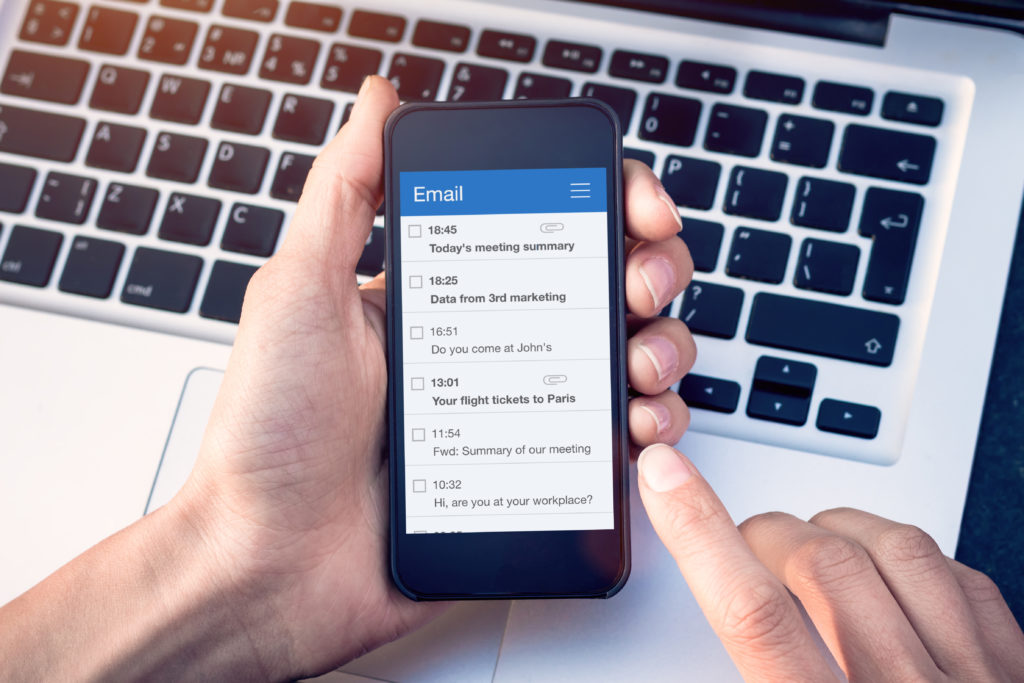
While the winter holidays can be the most wonderful time of year for many, it can also be a little overwhelming. If you’re facing an inbox full of promotions that will remain unread, you’re not alone. And if you’re a fundraiser who knows your audience is fatigued but you still need to meet your goals, we get that, too. Thankfully, the beginning of the year is a great time to refresh your strategy while also making sure all of your future marketing efforts are intentional and effective. Focusing on your email strategy is the perfect place to start.
The post-holiday slump is real
The post-holiday slump can be very real in almost any industry, but it can hit higher education especially hard. Following a season of giving and spending, it can be ineffective to reach out and ask for more donations from alumni. And yet, we know that your institution’s needs and budget won’t wait for a more opportune time. That’s where email marketing comes in. Not only does it allow you to engage with potential donors, but it also empowers you to stay in touch with your current and past donors.
Here are five steps to engage your donors after the holidays using email marketing:
1. Do an email marketing audit.
First of all, if you don’t have a super robust email marketing strategy in place already, no sweat. This is the perfect time to create one. And even if you’re only using email a little bit and would like to do more, it’s important to take a look at what’s working and what’s not to determine your next steps.
This is where you should look at metrics like your open rates, click-through rates, and unsubscribes to get an idea of the type of content your subscribers love or could live without. Analyzing these metrics will empower you with the data needed to create more emails your donors will look forward to engaging with.
2. Refresh your existing automation workflows.
Next, you’ll want to focus on your automation workflows. If you’re not currently automating emails, this too is an important opportunity to create less work, and higher-quality relationships. While it can sound a little bit robotic and impersonal, automation is actually the opposite: When executed correctly, it’s actually the thing that can enhance your institution’s human element, rather than replace it.
If you’re sending welcome emails to your new subscribers or thank you emails after they donate, revisit those to see how you can maximize the subscriber experience. Can you refresh the copy? Create more compelling images? Update old links? While they may seem small, these changes can make a world of difference when it comes to maintaining alumni relationships.
3. Create new automation workflows.
Now, it’s time to think about other opportunities to automate your emails. As we mentioned before, a little time invested now will make you much more efficient in the future while also attending to your donor relationships. The best way to think about new automation workflows is to consider the donor journey from awareness of your institution to conversion (donation).
Think about what they do in their everyday lives, and how you can shift your marketing strategy to meet them where they are, rather than wait for them to come to you.
Automated emails in higher education could be triggered by a variety of actions, from opening a previous email, to visiting your university’s website.
4. Tell your story in a compelling way.
From new students to fresh initiatives, universities and colleges are full of story potential. One advantage this industry has is initial donor investment—Usually, donors have a long history with your institution, whether they attended the school themselves or live in its surrounding city. Your school means something significant to a lot of people, so all it takes is a little storytelling to stir up their passion and make them remember why they love it so much.
The New Year is a great time to begin capturing new stories and give a recap of the past year. Sending emails that are centered around stories, rather than specific donation asks, helps your readers feel more connected to your cause. You can still tend to donor relationships without asking for money at every interaction.
5. Include donors in your story.
Speaking of stories, a mistake a lot of organizations make is they tell stories that compel people to give, but then they stop there. Instead, you should include donors in the narrative you’re telling about your university—Tell them how their money is being used and specifically describe the impact their donation has on the university. Make them feel like they belong in your story and cause positive outcomes, and they’ll be much more likely to stick around.
Wrap up
By thinking about ways to prevent subscriber fatigue in the post-holiday slump, you’re already several steps ahead of most organizations. Keep in mind the ways you can continue to develop those relationships both in and outside the inbox, and you’ll set yourself up for maximized success in 2020! Happy New Year!
Author bio:
Kaitlin Wernet is a copy and content writer on Emma‘s marketing team. Email marketer by day and published author by night, she can be found exploring Nashville, planning her next travel adventure, or trying not to use too many exclamation points.
Emma is a platform that makes email marketing work for you. With tools to collaborate across departments and locations, Emma helps its customers deliver seamless brand experiences that increase engagement, drive revenue, and deepen audience relationships with email. Emma’s team-oriented product design, powerful integrations, and award-winning professional services make it easier than ever for marketers to do their very best work. For more information about Emma, or to request a live demo, visit myemma.com.