












The dog days of summer are officially here. The office is a little quieter and the only thing filling up your inbox are Out of Office replies. It’s a great time to step back and tackle some bigger issues that usually sit on the back burner. Welcome to our Summer Checklist.
Goals, numbers and metrics can be a tricky thing. They’re obviously not going anywhere anytime soon, and we’re not here to say that they should. But it’s also easy to get caught up in those numbers and let them drive you in ways they shouldn’t.
Because you know who doesn’t care even one little bit about your Q2 goal? Basically every person in your portfolio.
But chances are you’ve got that number front and center of your own mind when finding prospects, reaching out to them and negotiating the total gift amount.
But that donor is thinking about a million different things. The impact their money will have, what the gift means for their finances, the kind of legacy they’re leaving behind. The list goes on and on.
So it’s time to shift your mindset when the time comes to sit down with a donor and discuss their gift. Instead of thinking how it will help you and your team reach a goal, focus on what donors need. Think about how your institution can meet the donor where they are and work alongside them to ensure their motivations are met.
Bring Something to the Table

“Knock with your feet.”
It’s quickly become something of a mantra around EverTrue. Why would you ever knock with your feet? Because your hands are too full of presents to do it with your knuckles.
If you’re on the verge of securing a big gift, you ought to give something in return. What that could be will depend on who you’re dealing with. Some donors might want dinner on the 50-yard line. Others might just want a little SEO help. Some might want to inspire others to support a cause they’re passionate about.
Fundraisers are responsible for making sure that donors feel welcomed by the university and that their money will make an impact. There are a lot of ways for you to do that, one of the most important being…
Listen First, Then Talk
Your school is doing a lot of great stuff and that donation will hopefully do some really cool things for the institution and student body. So, we understand the temptation to start talking about all of that stuff right off the bat.
But instead, take the time to listen before anything else. That’s not something we say lightly. We’re the first people to go blue in the face talking about how valuable and important data is and why every fundraiser’s main priority should be to invest in and use their data as much as possible. To know have as good an idea of what a donor wants before even contacting them.
But when you’re sitting down with someone who’s getting to make a sizeable donation, that’s when soft skills take center stage. And listening is the best soft skill you can have. We’ve heard plenty of stories about how simply listening to a donor talk and picking up on small clues and details have helped gift officers realize the potential for a much larger ask than they’d originally anticipated.
But it’s not just about increasing the size of that gift. If a donor is really interested in something specific, or your institution can help them in a tangible way, it builds trust and a better relationship. If you start to focus on what donors need, it can pay dividends down the line with regular gifts or a far bigger gift in the future.
There’s only one way to pick up on those details, and that’s to listen.
Target Your Outreach
When it comes to major gifts, dollars tend to do the talking. Which we understand. We’re not telling you to shelve a donor who’s got the potential to give big. That’d be silly.
But searching for donors whose interests line up with what the school is already working on can pay huge dividends. It’s obviously not the only way to close gifts, but when there’s already a natural connection it can make everyone’s lives a lot easier.
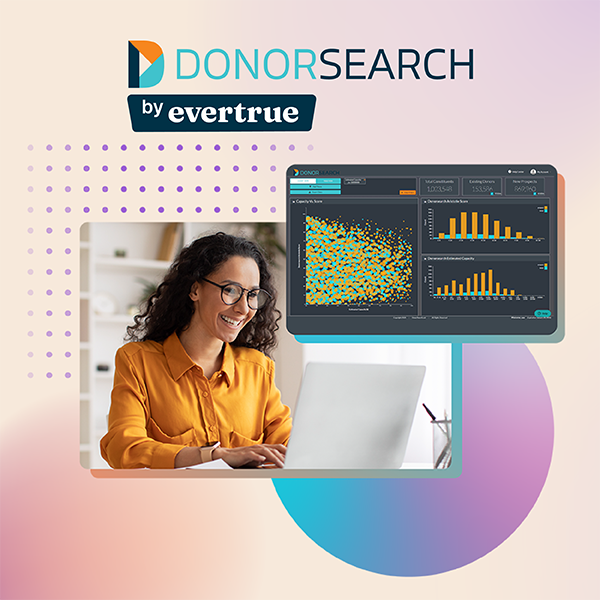
By mining social engagement data, interests, and giving history, you can find which donors are a natural fit for initiatives that are already underway. Renovating your athletics center? Someone with a high giving capacity and a history of giving to athletics is a natural candidate for outreach. Science department undertaking groundbreaking cancer research? Look for people who have engaged around the topic on your social channels and meet your criteria for a major gift donor.
Some of that upfront work can take the hassle out of awkward conversations that end up wasting everyone’s time.
The next installment of the Summer Checklist will tackle the prospect portfolio. While you wait, dive into the rest of the Summer Checklist series with tips for the Annual Fund and Managing Gift Officers.