For Teams Who Already Know How to Run Events and Want More From Them
You already know how to run events.
You’ve planned galas, walks, community events, stewardship experiences, and one-day campaigns. You know how to book venues, manage run-of-show, coordinate volunteers, and get people through the door.
The question is whether your events are working as hard as they could be.
This guide isn’t about logistics, it’s about performance. It’s for experienced teams asking harder questions:
Are the right people actually showing up? Are our events worth the time, cost, and staff energy? How can we reduce guesswork before the event? Why does follow-up still feel heavier than it should? How do we decide what to repeat, refine, or retire?
The teams seeing the strongest results aren’t reinventing events. They’re making better decisions around them.
This guide helps you pressure-test the decisions behind events you already run, using real examples from teams who didn’t overhaul everything. They just made smarter, more intentional choices.
How to Use This Guide
Each section focuses on a decision experienced teams commonly wrestle with:
The decision itself
Pressure-test questions
What this looks like when it’s working
A real-world example
Capabilities that make this easier
You don’t need to read this from start to finish. Start with the decision that feels most unresolved in your event strategy.
Let’s begin!
Decision 1: Who Actually Belongs at This Event?
Most teams don’t struggle to build invite lists, they struggle to prioritize them.
Ask Yourself:
Are we inviting the same group because it’s familiar?
Can we articulate why each top invite matters right now?
Are sponsorship outcomes predictable or hopeful?
Are we relying on attendance history more than readiness?
If your list feels comfortable but outcomes feel flat, the issue usually isn’t the event, it’s the lens used to build the list.
What This Looks Like When It’s Working: Teams separate:
Familiarity from opportunity
Past attendance from future impact
Convenience from intention
You don’t always need a new event. You need a clearer view of who should be part of it.
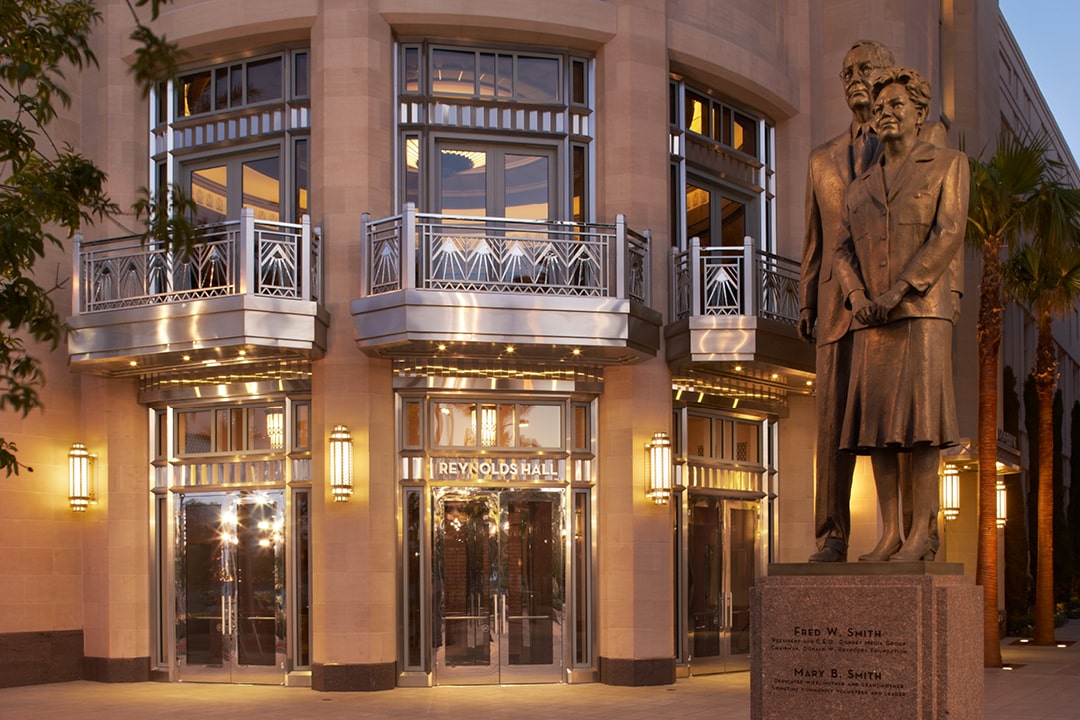
The fundraising team at The Smith Center wanted to be more strategic with limited staff time. They looked beyond their usual donor lists and used donor intelligence to identify supporters with the strongest giving potential.
With DonorSearch, they were able to prioritize donors with long-term engagement indicators rather than relying on familiar names, the team focused outreach where it would have the biggest impact for campaigns and future events.
The result was a targeted effort that doubled their monthly giving program and created a more reliable revenue stream.
“One email to a targeted group paid for DonorSearch in the first year, and those monthly donors will continue giving for years.”
Carol Hollatz
The Smith Center
Note: While this example focuses on monthly giving, the same approach can help teams build more effective event invite lists.
Decision 2: How Do We Invite in a Way That Clarifies Readiness?
Once the list is right, the next question isn’t how to send an invitation. It’s how to make the invitation do real work.
Strong invitations surface interest early, reduce guesswork, respect donor preferences, and give teams time to prepare. Channel choice and personalization matter more than ever.
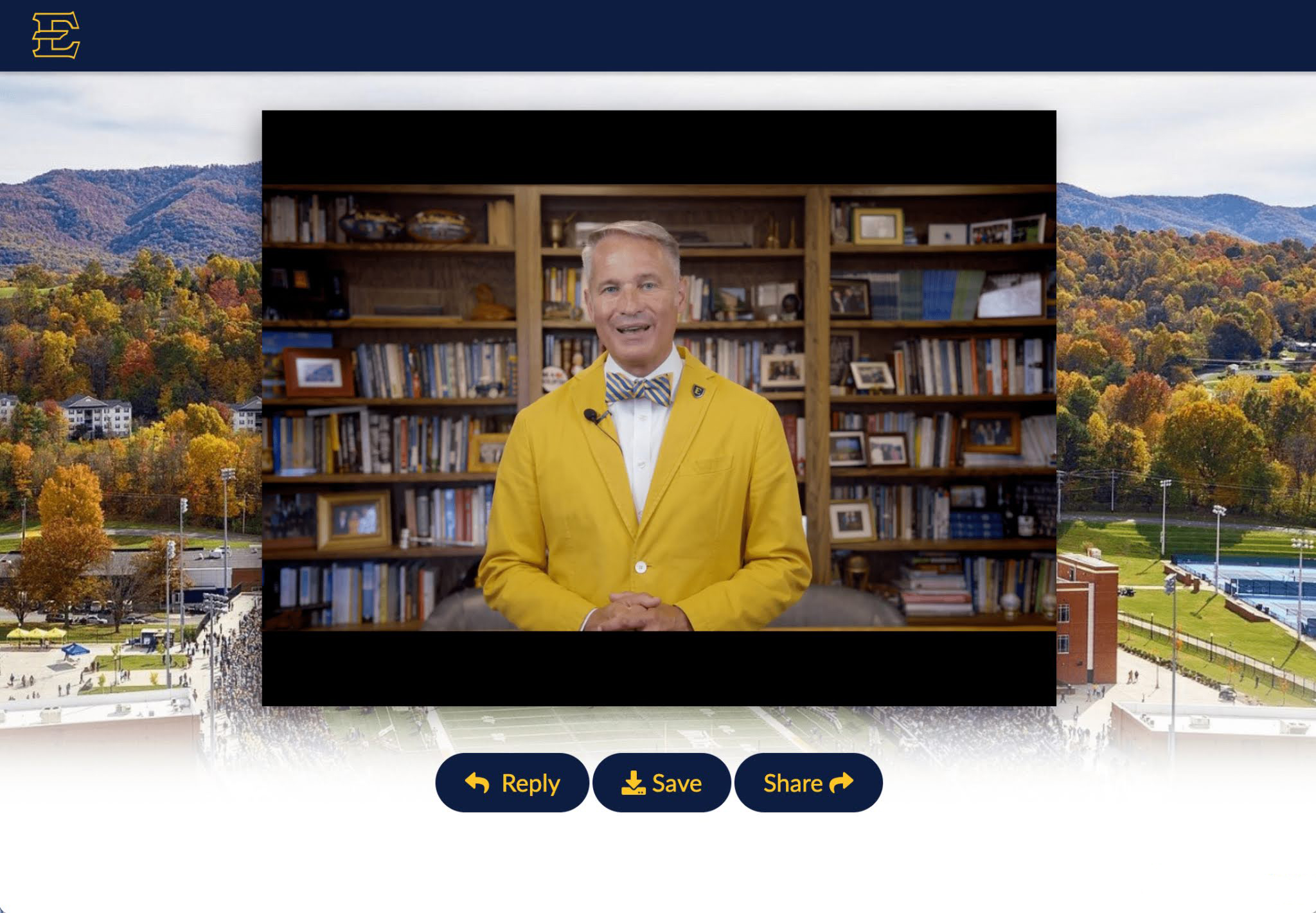
ETSU was preparing invitations for a President’s Circle tailgate when a print vendor delay threatened the entire campaign days before kickoff. The team used ThankView to create a personalized video invitation from the president and delivered it four days before the event.
The Result:
60.2% open rate
Strong engagement from a 65+ audience
Donors referencing the video positively at the event
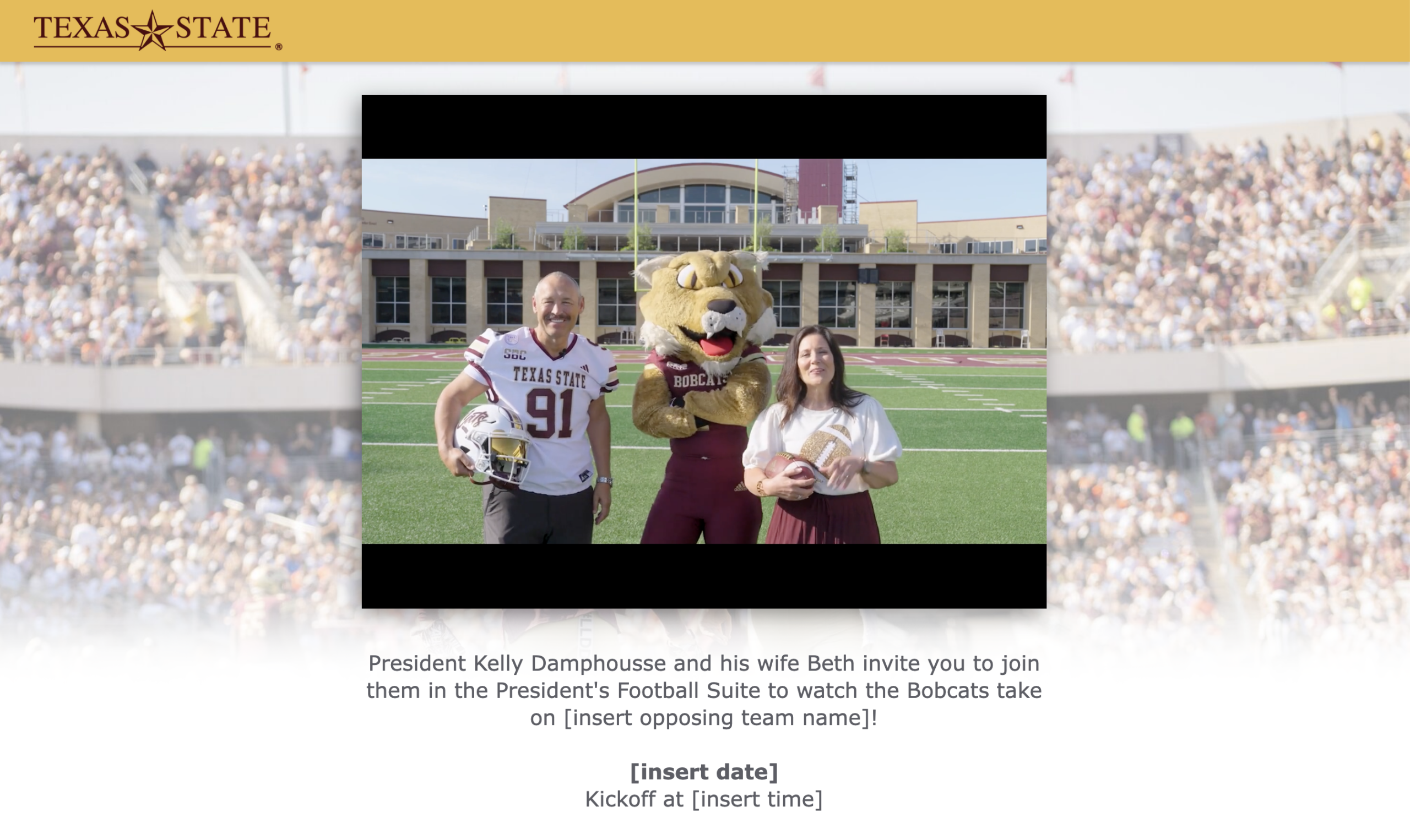
Texas State used ThankView to create personalized, leadership-led video invitations to engage 183 supporters for their Presidential Suite experience.
The Result:
86.44% open rate
91 RSVPs
Suite filled for every home game
Clear visibility into which supporters warranted deeper engagement
When invitations create visibility, preparation becomes intentional instead of reactive.
Decision 3: How Do We Prepare Teams Without Adding Work?
Once you know who’s coming, preparation is the next friction point.
Ask Yourself:
Does prep time scale with donor importance or staff availability?
Do conversations feel consistent across the team?
Does follow-up depend on memory rather than shared context?
What This Looks Like When It’s Working: Preparation becomes about clarity, not volume:
Who this donor is
Why they’re here
What matters to them
Who owns next steps
Clarity reduces effort, it doesn’t increase it.
Advancement staff created concise, centralized donor profiles and clearly defined next-step ownership with the help of DonorSearch.
The Result:
More confident conversations
Stronger alignment across staff
Less reactive follow-up
Decision 4: What Actually Matters to Capture During the Event?
Not every interaction needs to be documented. But the right ones absolutely do.
Ask Yourself:
Are meaningful conversations documented or lost?
Do insights disappear after the event?
Can someone else pick up follow-up without a handoff meeting?
What This Looks Like When It’s Working: Teams capture only what moves relationships forward:
What the donor cared about
What they asked
What was promised
What happens next and by whom
Simple capture, clear ownership, no ambiguity.
Decision 5: How Do We Protect Momentum After the Event?
Follow-up matters. The challenge is doing it on time, personally, and at scale.
Ask Yourself:
Does follow-up get delayed once the event ends?
Does it feel generic despite best intentions?
Do donors respond or go quiet?
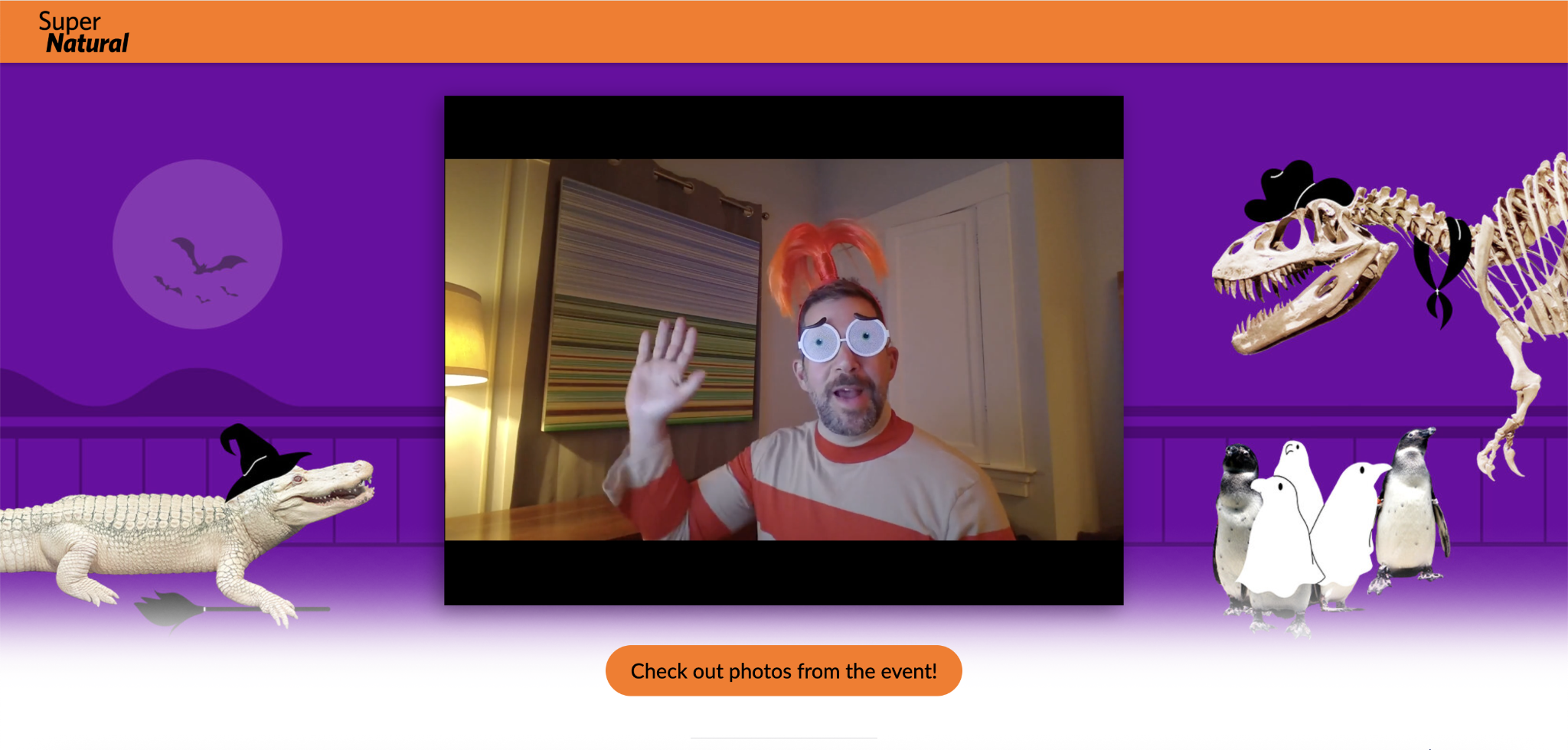
After events like SuperNatural and Party After Dark, the team used ThankView to send personalized, themed video thank-yous tied directly to each experience.
The Result:
74% open rate for Party After Dark
60% open rate for SuperNatural
Donors replying simply to say thank you
When stewardship feels like a continuation of the event, relationships deepen instead of stall.
Decision 6: How Do We Coordinate Follow-Up Without Burning Out the Team?
Follow-up rarely breaks down because people don’t care. It breaks down because ownership and visibility aren’t clear.
Ask Yourself:
Is ownership defined before the event?
Are engagement signals easy to access?
Does follow-up feel focused or overwhelming?
What This Looks Like When It’s Working:
Ownership is defined before the event
Engagement guides priority
Follow-up happens in a shared system
Clarity reduces burnout and increases revenue consistency.
Final Thought
If events feel heavier than they used to, it’s not because you forgot how to run them. It’s because expectations are higher, teams are leaner, and relationships matter more.
The strongest teams aren’t reinventing events. They’re making better decisions around them.
If your team is running strong events but still feeling friction around preparation, prioritization, or follow-up, that’s not a staffing issue. It’s a visibility issue. And it’s solvable.
Explore how leading teams are using donor intelligence and shared visibility to make smarter event decisions, or start a conversation with our team to see what that could look like for you.