Every fundraising team is feeling the same pressure: do more with less. Donor expectations are rising, inboxes are overflowing, and the calendar isn’t slowing down.
This guide brings together 7 real-world fundraising moves that advancement shops are using right now to maximize donor engagement. Each move comes with:
Why it works (the strategy)
The win (a peer example)
How to try it (your checklist)
Resources to dive deeper (links to blogs, guides, webinars, podcasts)
Let’s go!
Move 1: Use AI (the Right Way)
Why It Works AI is everywhere, but without clear guardrails it can create as much confusion as efficiency.
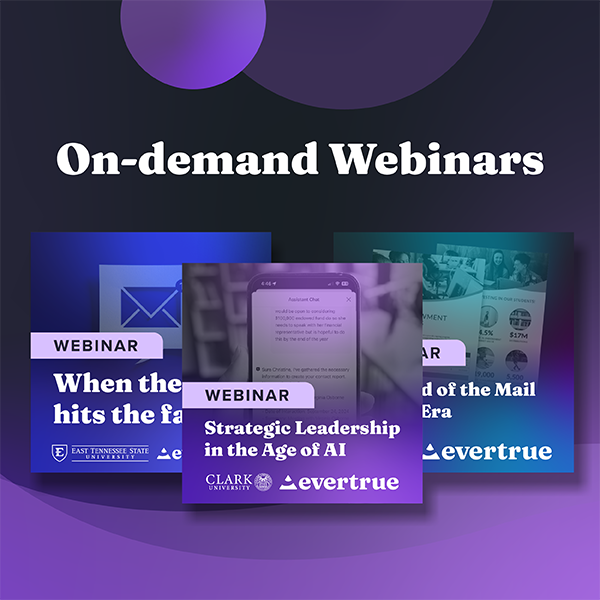
The Win Clark University surfaces new prospects, saves officer time, and makes outreach more relevant — while keeping ethics front and center.
How to Try It
Create Clear Guardrails — Draft a 1-page AI use policy.
Move 4: Practice for Donor Meetings Before They Happen
Why It Works High-stakes conversations aren’t the place to practice.
The Win USNAF uses “chair-fly” simulations with AI and peer practice to sharpen donor conversations — contributing to a record-setting year.
How to Try It
Simulate Donor Conversations — Run AI or peer role-plays.
Sharpen the Ask — Test phrasing until officers feel confident.
Build a Playbook of Asks — Document what works and share across the team.
Sample AI Prompts for Gift Officer Practice
Discovery calls
“Pretend you’re an alum from the Class of 1985 who hasn’t been contacted in years. I’m a gift officer calling for the first time — role-play the conversation, including some hesitation on your part to re-engage.” “You’re a prospect with high capacity but low recent giving. Role-play our first Zoom conversation where I’m trying to learn about your philanthropic interests.”
Overcoming objects
“Act as a donor who gives $100 annually but is skeptical about making a larger gift. Push back on me with concerns about trust, impact, or finances.”
“Pretend you’re a donor who says they already gave this year and don’t want to be asked again. Show me different ways you’d phrase that, so I can practice responses.”
Stewardship and follow up
“Role-play as a donor who just made their first gift. Show me how you’d react if I sent a thank-you video and followed up by phone — give me both positive and neutral responses.”
“You’re a long-time donor. Simulate how you’d respond if I called just to thank you and share a quick impact update — no ask.”
Solicitation practice
“Pretend you’re a donor who attended a recent event. You enjoyed it but haven’t given in years. Role-play me making the case for a $5,000 annual fund gift.”
“You’re a loyal annual donor who might be ready for a planned gift. Play out a conversation where I introduce the idea, and respond with some curiosity but also hesitation.”
Situational "curveballs"
“Act as a donor who gets annoyed that they’ve been contacted multiple times. Show me different reactions so I can practice how to calmly reset the conversation.”
“Pretend you’re a donor who suddenly pivots the conversation away from philanthropy — you want to talk about sports, politics, or campus gossip. Role-play how I can bring the conversation back to giving.”
Year-end prep
“Act as a donor who got my year-end appeal email but isn’t sure if they want to give in December. Challenge me with reasons why.”
“Pretend you just gave on Giving Tuesday. Role-play how you’d respond if I followed up with a thank-you and a question about your broader interests.
Move 5: Break Through the Noise with Print + Digital
Why It Works Donors are inundated with digital messages — print adds a tangible, personal touch.
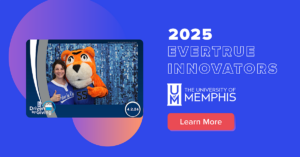
The Win University of Memphis paired personalized postcards with ThankView videos and cadences, sparking donor replies and new gifts.
Move 7: Thank Every Donor (and Don’t Overthink It)
Why It Works Gratitude strengthens loyalty and retention — even when it’s scrappy.
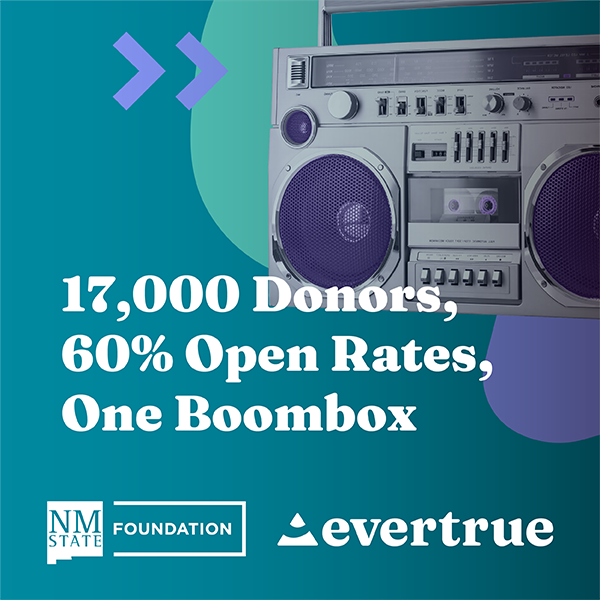
The Win NMSU Foundation’s “Thank Every Aggie” campaign sent student-driven ThankViews to 17,000+ donors, hitting 60%+ open rates and sparking personal replies.
How to Try It
Set a Stewardship Week — Pick one week in December to thank all donors.
Involve Students + Staff — Authentic videos resonate more than polished ones.
Measure Replies + Opens — Track stewardship engagement as a loyalty driver.
These 7 moves prove you don’t need to reinvent your fundraising playbook — just amplify what’s already working.
Start with 2–3 moves. Borrow ideas from peers. Share your own examples. Because the best fundraising guide isn’t written by one team — it’s built together.
Ready to test some of these out? Book a strategy session!